€ 190


Still questions? Contact us
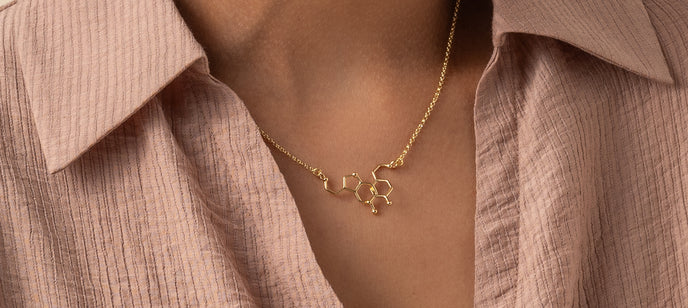
Alveolus necklace | sterling silver
Roughly 480 million alveoli per pair of human lungs, with a combined surface area of about 70 square metres (close to the size of a tennis court) and a capillary-blood barrier 0.5 micrometres thick. Every breath crosses this membrane twice. The smallest unit of respiration, in 23 mm of silver.
The Anatomy of the Alveolus
The alveolus is the terminal sac of the respiratory tree, sitting downstream of the bronchioles where gas exchange actually happens. The alveolar wall is composed of two cell types: type I pneumocytes (thin squamous cells covering most of the surface) and type II pneumocytes (cuboidal cells that secrete surfactant and serve as the progenitor for type I after injury). Pulmonary capillaries run in the interalveolar septa, with red blood cells single-file across the gas-exchange surface. The total alveolar-capillary barrier is about 0.5 micrometres thick: alveolar epithelium, fused basement membranes, capillary endothelium. Surfactant (a phospholipid-protein mixture, mostly dipalmitoylphosphatidylcholine plus surfactant proteins A through D) lines the alveolus and reduces surface tension, preventing collapse on expiration. ARDS, pulmonary fibrosis, neonatal respiratory distress syndrome, COPD, and most respiratory failure syndromes become understandable at this scale.
A Quiet Symbol For
The audience clusters around respiratory medicine and adjacent fields:
- pulmonologists, ICU and critical-care physicians
- anaesthetists managing ventilation and gas exchange
- respiratory therapists and pulmonary-function technologists
- neonatologists managing surfactant deficiency and bronchopulmonary dysplasia
- pulmonary researchers studying fibrosis, ARDS, or surfactant biology
The audience tends to recognise the structure immediately. The alveolus is the unit pulmonologists work on every day, and a piece naming it specifically reads as well-chosen rather than generic.
Explore Related Human Anatomy Jewelry
- Alveolus necklace | gold vermeil
- Alveolus cufflinks | sterling silver
- Lungs necklace | silver
- Anatomy collection
FAQ
Why is surface area such a big deal for the alveolus?
Because gas exchange is diffusion-limited at the smallest scales. Doubling the alveolar-capillary barrier thickness halves the rate of oxygen diffusion. Halving the surface area halves the absolute amount of oxygen that can move per unit time. The lung achieves the gas-exchange capacity it does (roughly 250 ml O2 per minute at rest, ten times that during heavy exercise) by combining a 70 m2 surface area with a 0.5 micron membrane. ARDS and pulmonary fibrosis both compromise this geometry: ARDS by flooding alveoli with protein-rich oedema, fibrosis by thickening the interstitium. The clinical consequences are the same in both cases. A body fighting against a halved or quartered diffusion capacity.
Why does surfactant matter so much for premature babies?
Because without it, the alveoli collapse on every breath. Surfactant reduces the surface tension at the alveolar air-liquid interface. By Laplace's law, the pressure required to keep a sphere open scales with surface tension and inversely with radius. Small alveoli without surfactant collapse first, then progressively recruit larger alveoli into the same problem. Type II pneumocytes do not begin producing surfactant in significant quantity until around week 24-26 of gestation, with full production around week 35. Babies born before this surfactant transition develop neonatal respiratory distress syndrome, which exogenous surfactant therapy (developed in the 1980s, now standard of care) reverses within hours.
What is the size, material, and chain?
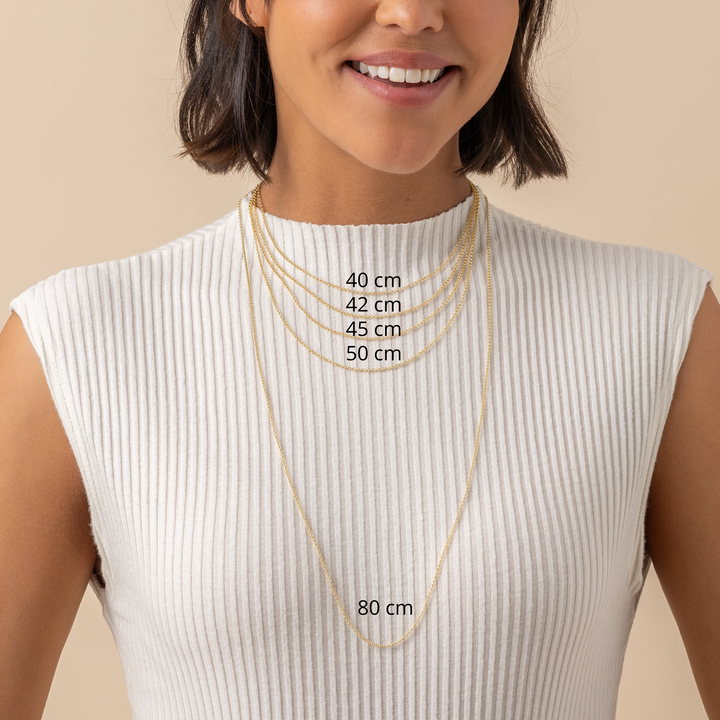
23 mm pendant in 925 sterling silver, nickel-free. 45 cm sterling silver chain with a 5 cm extender. Ships free worldwide via DHL Express in 1-5 business days, with all import duties prepaid. Comes in a ready-to-gift jewelry box with the 30-day “Love It or Return It” policy.
Other alveolus formats?
Yes. The gold vermeil necklace and the cufflinks are separate products in the same range. The geometry is the same across the three, calibrated to different formats and price points. Most pulmonologists and ICU physicians start with the silver necklace. The cufflinks tend to be a fellowship-completion gift inside academic pulmonology.
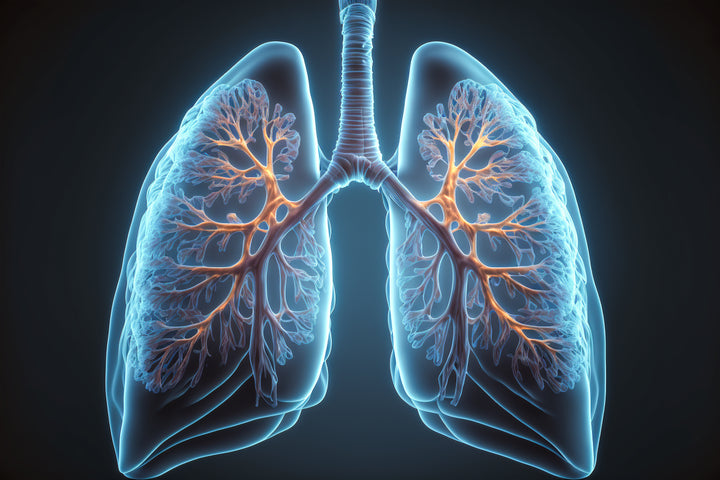
Human Anatomy
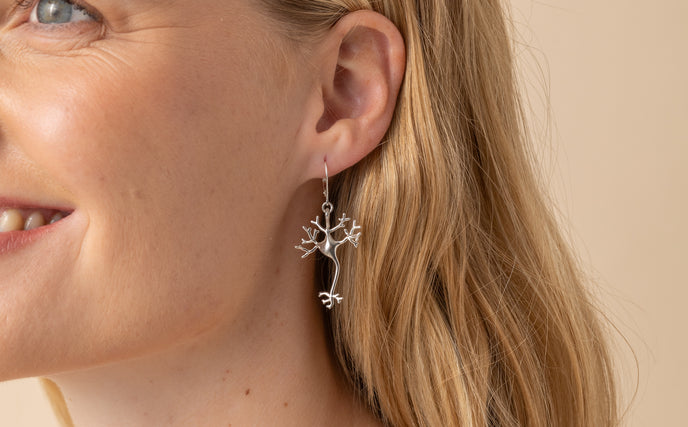
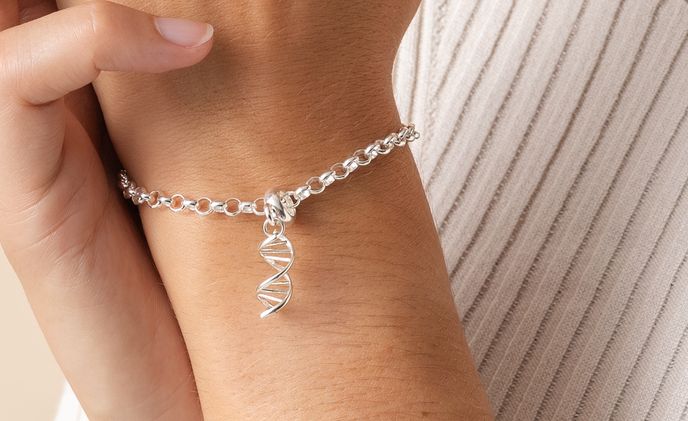
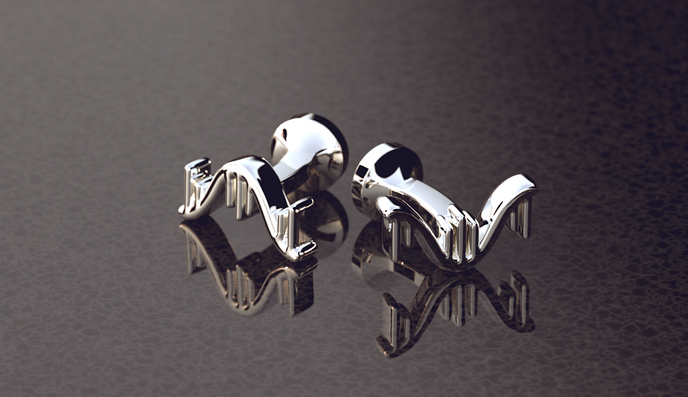
Anatomical wonders have never been so elegantly articulated. Our anatomical collection embodies the intricate and awe-inspiring structures that make us who we are. From DNA double helices to neuronal networks, our pieces don't merely imitate—they interpret. The collection serves as a tangible tribute to the hidden beauty within us all, elevating the realms of biology and medicine into wearable art. With exquisite attention to detail, each piece is a dialogue between form and function, revealing the enigmatic eloquence of the human body.
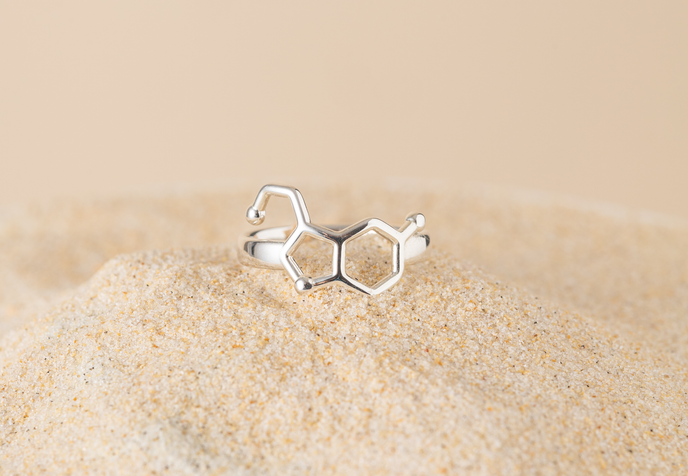
Find your perfect fit: measure an Existing Ring
Finding out your ring size at home is a simple process and can help you shop for jewelry online with confidence.
Necklace length guide