€ 140


Still questions? Contact us
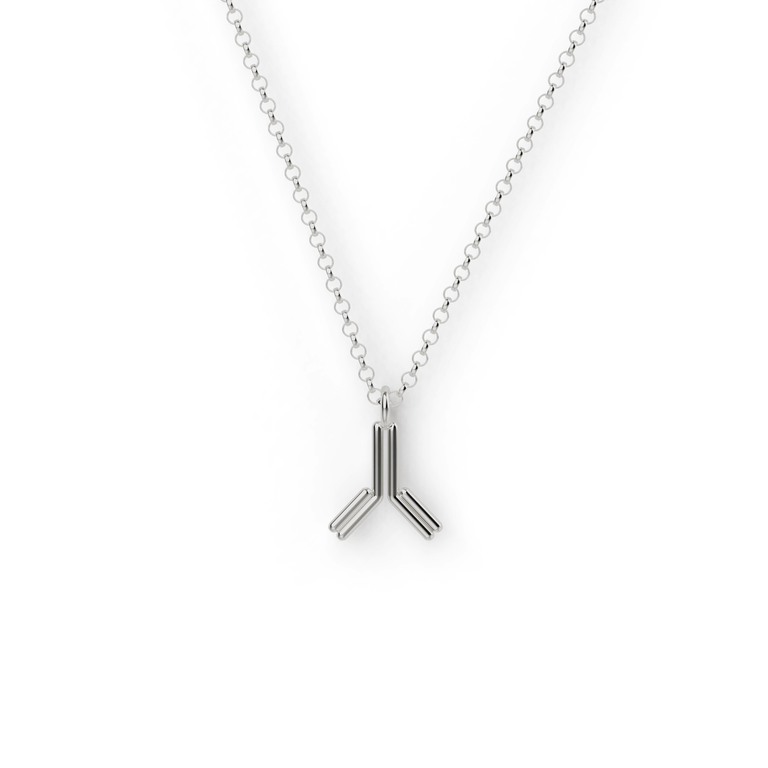
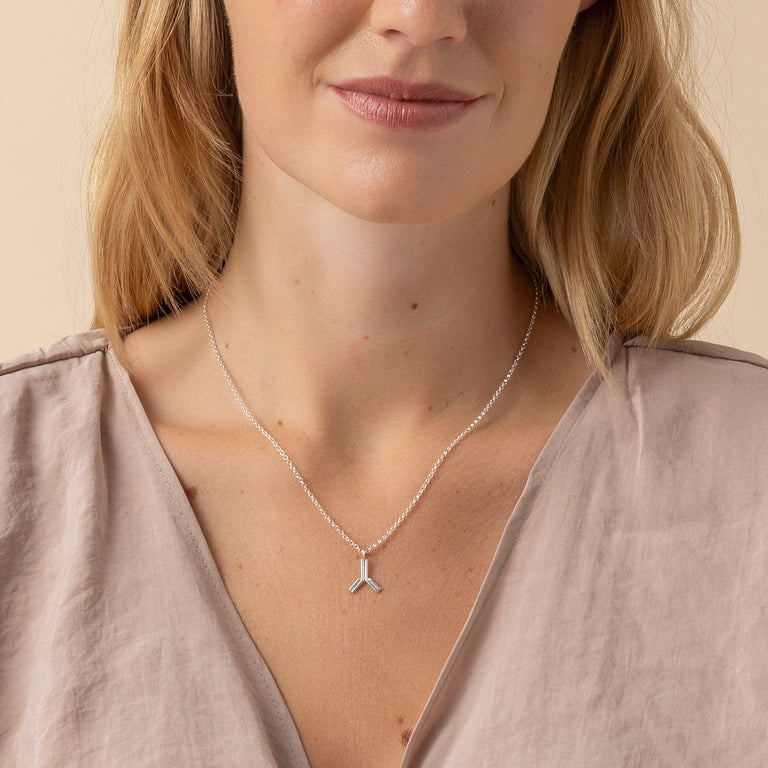
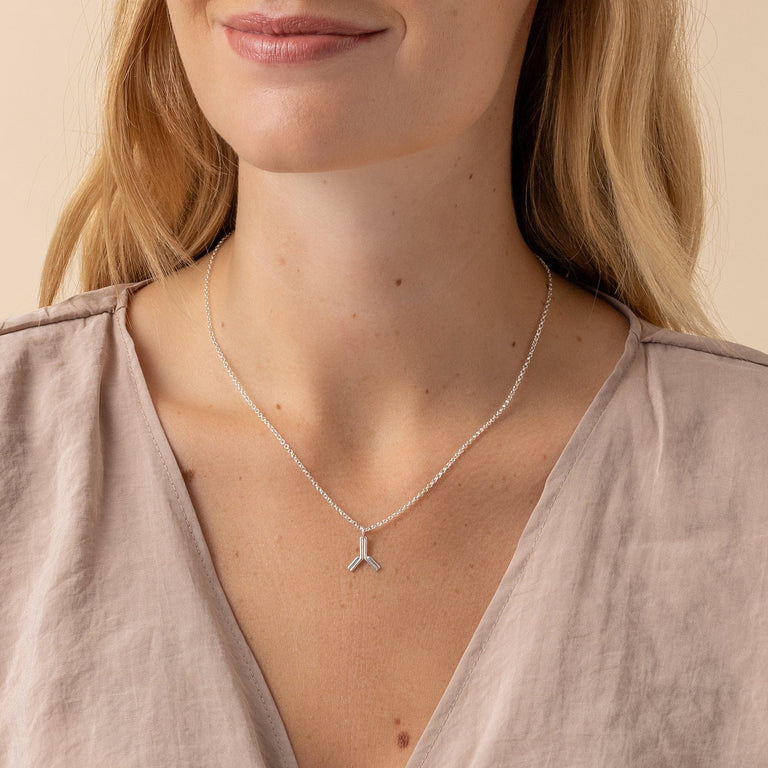
Antibody necklace | sterling silver
If you have ever stained a Western blot, run a flow cytometry panel, or pulled an immunoprecipitation, you have spent more time with antibodies than with most molecules in biology. The Y-shaped immunoglobulin is the working tool of immunology research and clinical diagnostics, and one of the most consequential molecules medicine has ever used.
The Science Behind the Antibody
An immunoglobulin is built from two heavy chains and two light chains, held together by disulfide bonds into the characteristic Y. The two arms (the Fab regions) carry the antigen-binding sites at their tips, formed by hypervariable loops where the variable domains of heavy and light chains meet. The stem (the Fc region) determines what the immune system does once binding occurs: complement fixation, opsonisation, transcytosis across mucosal surfaces. The diversity of the antibody repertoire comes from V(D)J recombination during B-cell development, where variable, diversity, and joining gene segments are reshuffled, then refined by somatic hypermutation in germinal centres. The combinatorial result is an estimated 10^11 unique binding specificities per individual, enough to recognise virtually any antigen the immune system will ever encounter.
The Audience
The audience clusters around adaptive immunity:
- immunologists, vaccine scientists, and B-cell biologists
- clinical immunologists treating autoimmune disease and immunodeficiencies
- biotech and pharma scientists working on therapeutic monoclonal antibodies
- diagnostic scientists running antibody-based assays (ELISA, IHC, flow)
- biology and medical students through their first immunology block
About a third of orders ship to academic immunology departments and biotech labs. The rest go to clinicians, students, and people who have benefited from antibody-based therapy and want a small reminder of the molecule that worked.
Explore Related Cellular Biology Jewelry
- Antibody necklace | gold vermeil
- Antibody bracelet | silver
- IgM necklace | silver
- Antibody earrings | silver
FAQ
Who buys an antibody necklace?
Mostly working immunologists, vaccine scientists, B-cell biologists, and the partners and grad students of any of the above. Diagnostic and biotech scientists pick it up frequently as well, since most of their day involves choosing the right antibody for the assay. Less common as a gift to non-scientists, but it lands well with anyone who has been on monoclonal antibody therapy and remembers what the molecule did.
How do antibodies generate so much diversity from so few genes?
By rearranging rather than encoding. The genome contains a few hundred V (variable), D (diversity), and J (joining) gene segments per immunoglobulin locus. During B-cell development, the recombination machinery picks one segment from each pool and joins them into a single rearranged variable region, with imprecise junctions adding further diversity at the breakpoints. After antigen exposure, somatic hypermutation refines the binding affinity in germinal centres, producing the high-affinity antibodies that mature B cells secrete. The result is a repertoire of roughly 10^11 distinct specificities per person, generated from a relatively small set of starting parts. Susumu Tonegawa won the 1987 Nobel Prize in Physiology or Medicine for working out the genetic basis of this diversity.
What's the size, material, and chain?
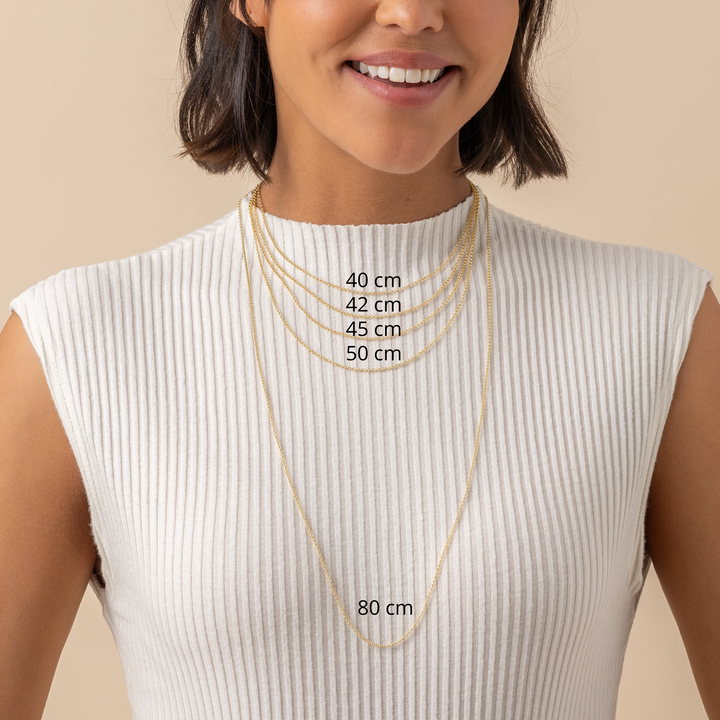
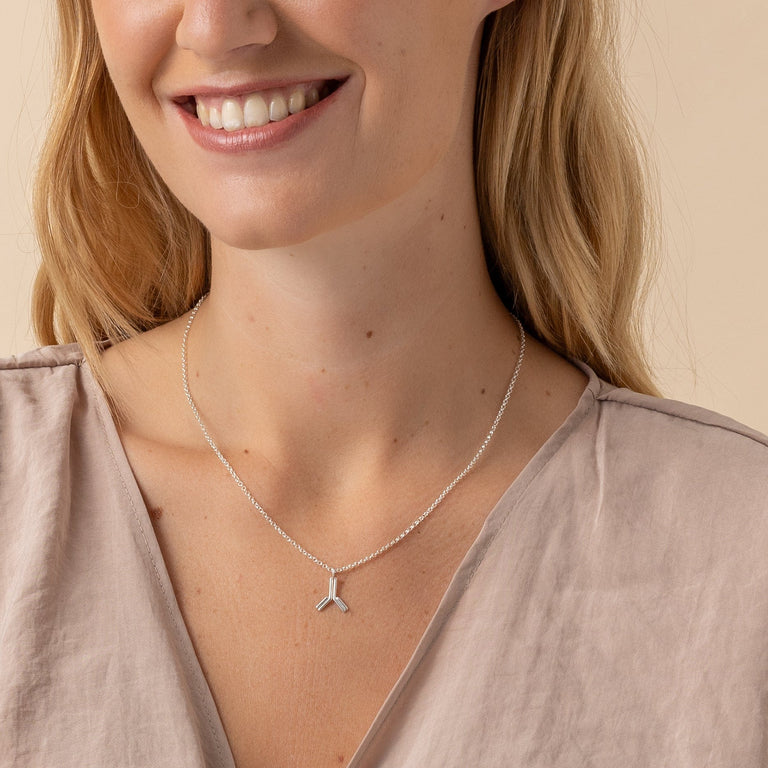
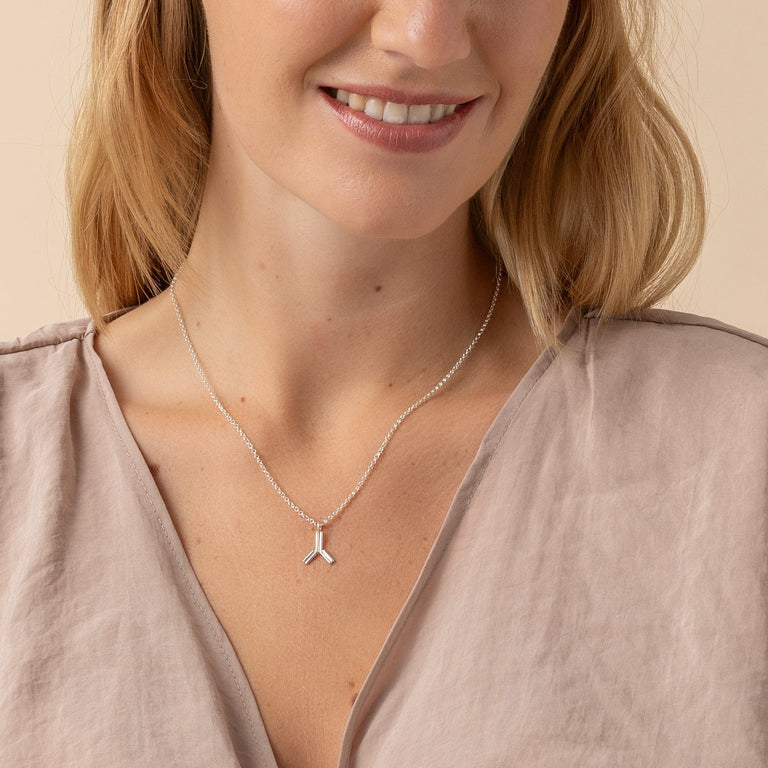
15 mm pendant in 925 sterling silver, nickel-free. 45 cm sterling silver chain with a 5 cm extender. Ships free worldwide via DHL Express in 1-5 business days, with all import duties prepaid. Comes in a ready-to-gift jewelry box with the 30-day “Love It or Return It” policy.
Is there a gold version?
Yes. The antibody is also available in 18k gold vermeil at the same 15 mm size. Same model, warmer finish, more formal register.
Cellular Biology
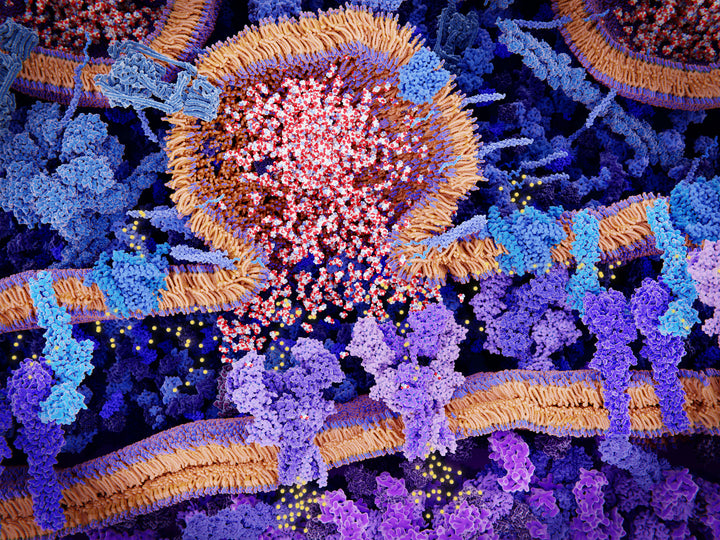
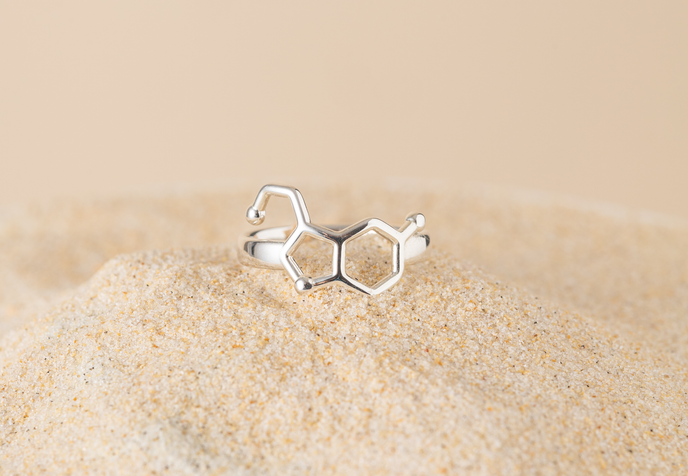
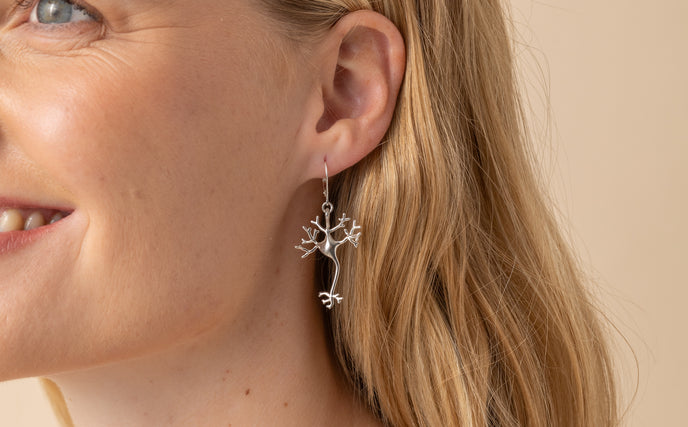
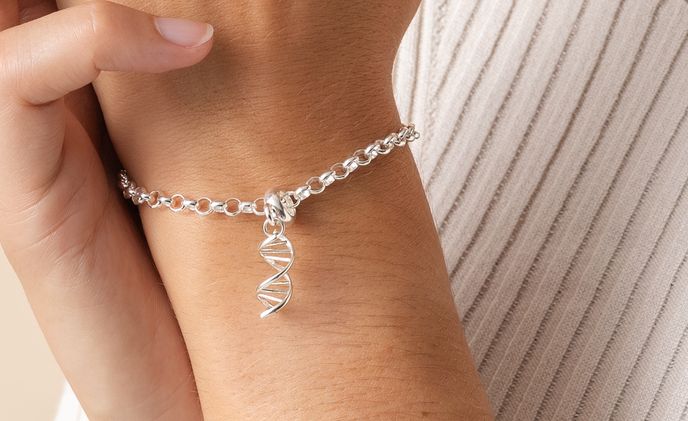
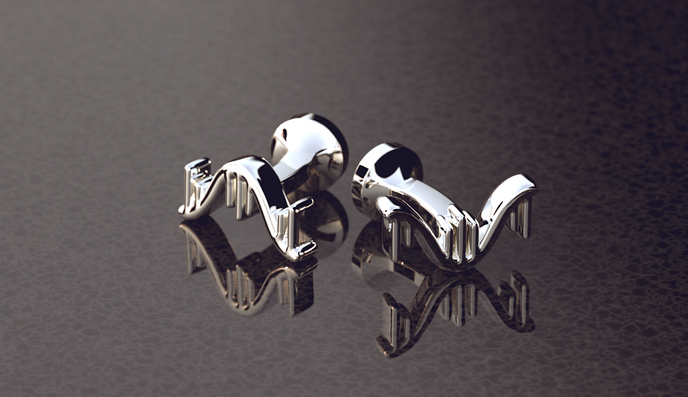
Step into the fascinating world of cellular biology through our unique jewelry designs. These pieces serve as wearable reflections of life's microscopic wonders, capturing the aesthetics of DNA strands, cellular formations, and more. Far from simple adornments, they spark dialogue and honor the captivating complexities found within biological research. Merging scientific accuracy with artistic flair, each creation offers a tactile experience that bridges the gap between scientific inquiry and aesthetic appreciation.
Find your perfect fit: measure an Existing Ring
Finding out your ring size at home is a simple process and can help you shop for jewelry online with confidence.
Necklace length guide