€ 155


Still questions? Contact us
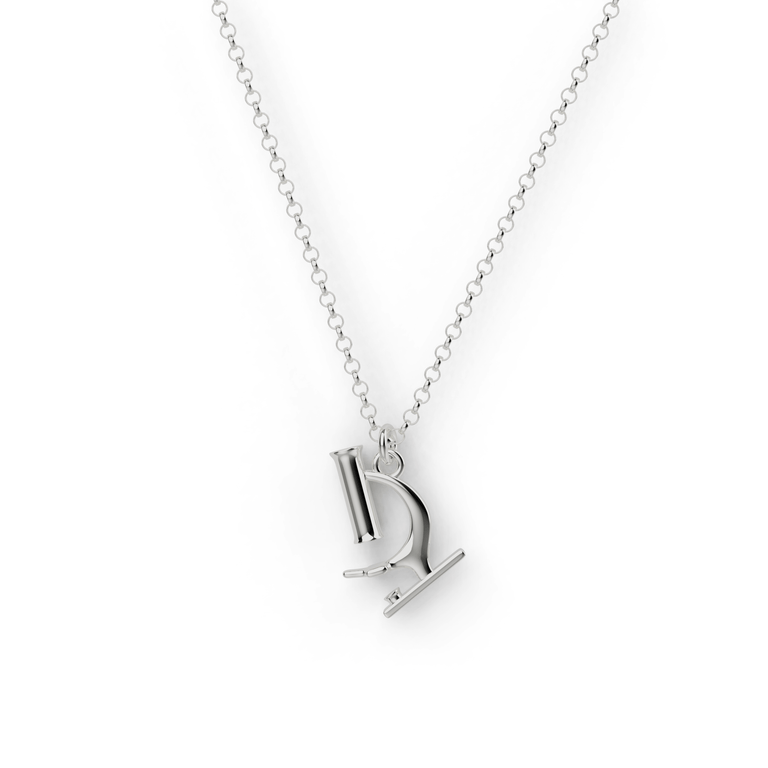
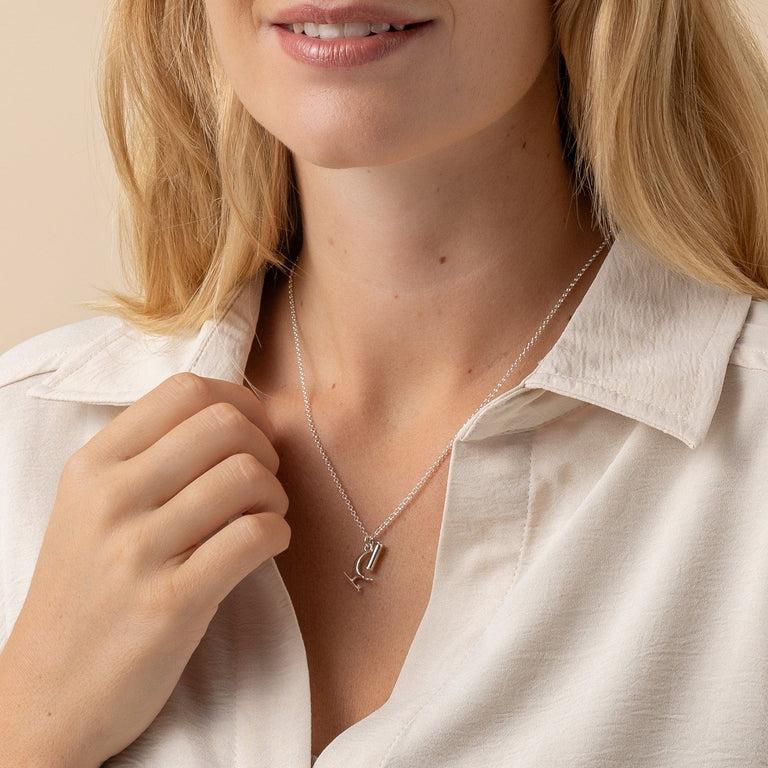
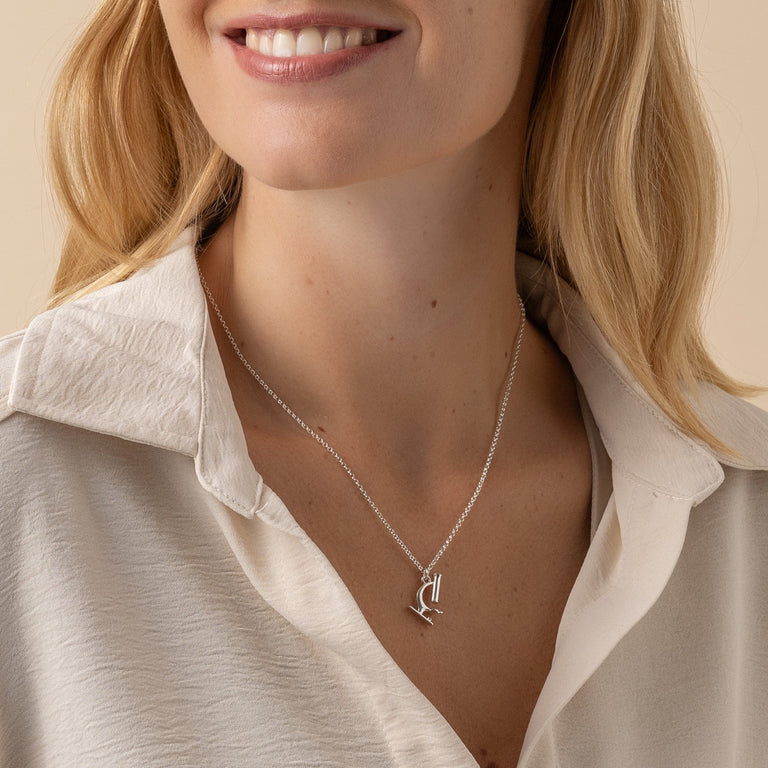
Microscope necklace | sterling silver
In 1665, Robert Hooke published Micrographia, the first illustrated book of microscope observations, and coined the word cell from the boxlike compartments he saw in cork. The instrument that opened the sub-visible world to systematic study, in 18 mm of sterling silver. The pendant version of the four-format microscope family.
The Science Behind the Microscope
The compound microscope was developed in Middelburg in the late 1500s, with the Janssen brothers credited as among the earliest builders. Robert Hooke's Micrographia in 1665 was the first systematic publication of microscope observations and gave biology the word "cell" from the compartmental shapes he saw in cork sections. Single-lens microscopes built by Antonie van Leeuwenhoek in the 1670s and 1680s achieved magnifications around 270x and revealed bacteria, red blood cells, sperm, and protozoa. Achromatic objectives in the 1830s solved chromatic aberration and made high-magnification work routine. Phase contrast (Zernike, 1930s), differential interference contrast, confocal laser scanning, and electron microscopy followed. Modern fluorescence microscopy and super-resolution techniques (STED, STORM, Nobel Prize 2014) have pushed the resolution limit well below the diffraction barrier that bounded optical microscopy for two centuries.
Who Reaches For This
- cell biologists, microbiologists, and pathologists
- microscopy specialists and imaging-core staff
- histotechnologists and laboratory scientists
- science educators and microscopy enthusiasts
Most often given to a working microscopist or a histology technician, where the pendant reads as identification rather than ornament.
Explore Related Medical & Lab Tools Jewelry
- Microscope necklace | gold vermeil
- Microscope bracelet charm | silver
- Microscope earrings | silver
- Petri dish necklace | silver
- Eppendorf necklace | silver
FAQ
Why a microscope rather than a more specific lab tool?
Because the microscope is the instrument that defines an entire family of working scientific lives. Cell biologists, microbiologists, pathologists, and histotechnologists all spend most of their day at one. The pendant works as identification across that whole audience without picking a specialty. The Eppendorf, scalpel, and pipette are more specialty-bound. The microscope sits closer to the universal-fit instrument for anyone whose work depends on optical magnification.
Why does Hooke get credit for the word "cell" given that Van Leeuwenhoek did the more striking observations?
Because Hooke published first, in a way that systematised the new observations into a book that other scientists could read and build on. Micrographia in 1665 framed the microscope as an instrument of methodical investigation, and the word "cell" entered biology from his cork sections. Van Leeuwenhoek's observations were more striking biologically (he saw bacteria first), but they appeared as letters to the Royal Society rather than a published treatise. Both got their due in the historical record. The "cell" word, and the framing of the microscope as a research instrument, went to Hooke.
What size is the pendant and what chain comes with it?
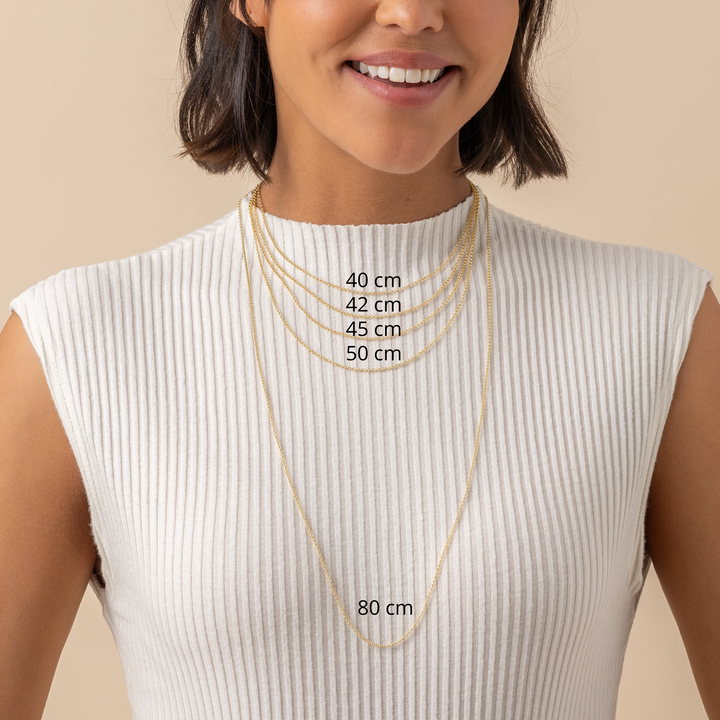
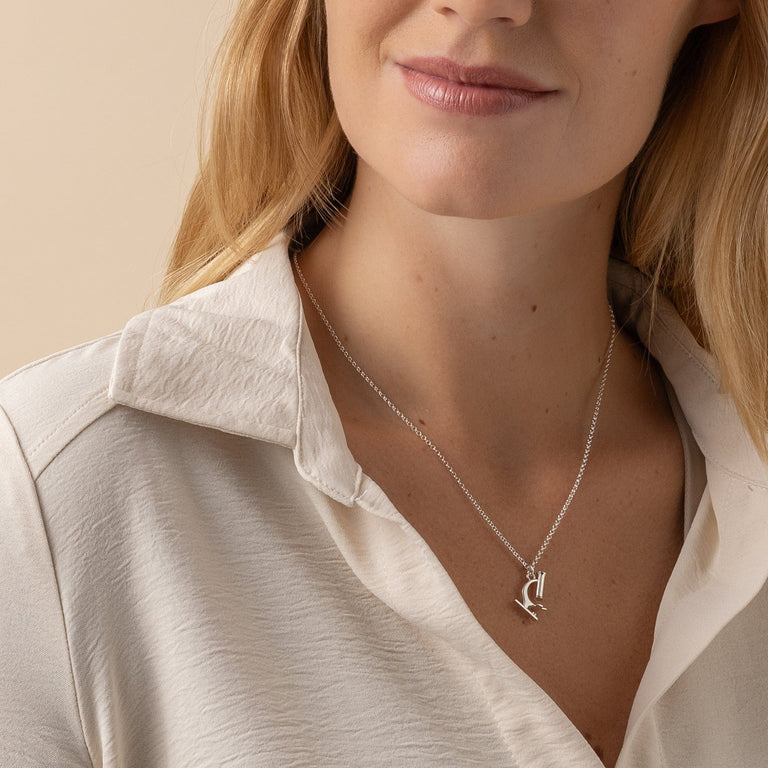
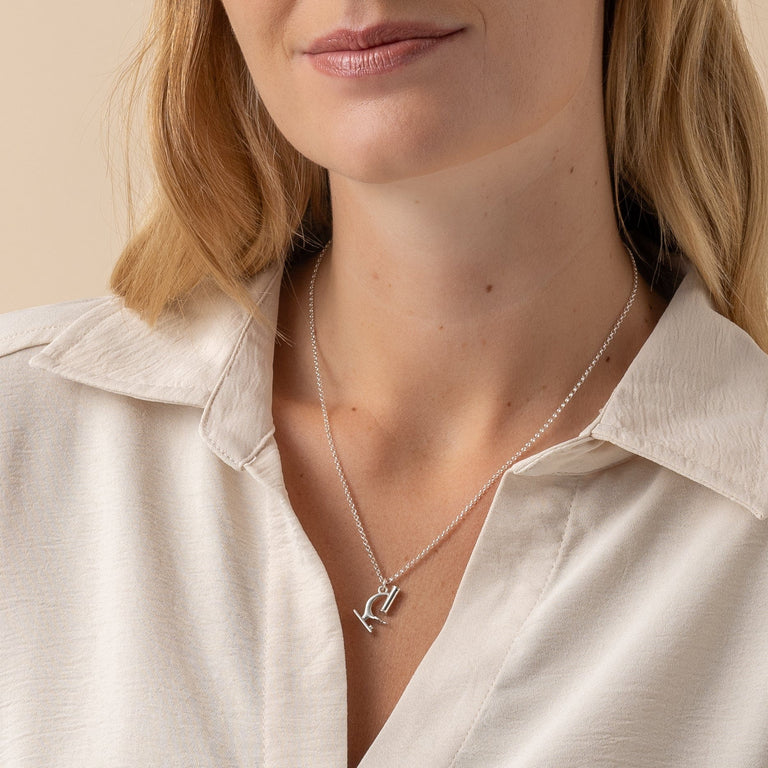
925 sterling silver, 18 mm pendant on a 45 cm sterling silver chain with a 5 cm extender. The smaller pendant scale sits as a quiet daily-wear piece rather than a statement piece. Nickel-free and hypoallergenic. Free worldwide DHL Express in 1-5 business days, with all import duties and taxes covered. 30-day “Love It or Return It” returns.
Is there a gold version, or matching earrings or bracelet?
All three. The same microscope is available in 18K gold vermeil as a pendant, in silver leverback earrings, and as a silver bracelet charm on a Pandora-compatible chain. Four formats of the same instrument, often combined as a graduation set for a working microscopist.

Medical & Lab tools
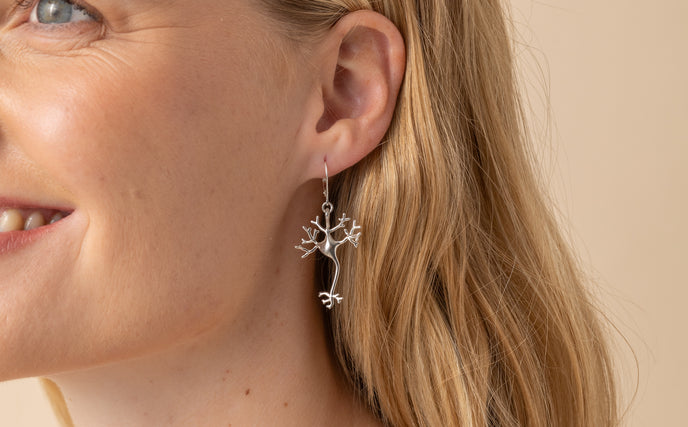
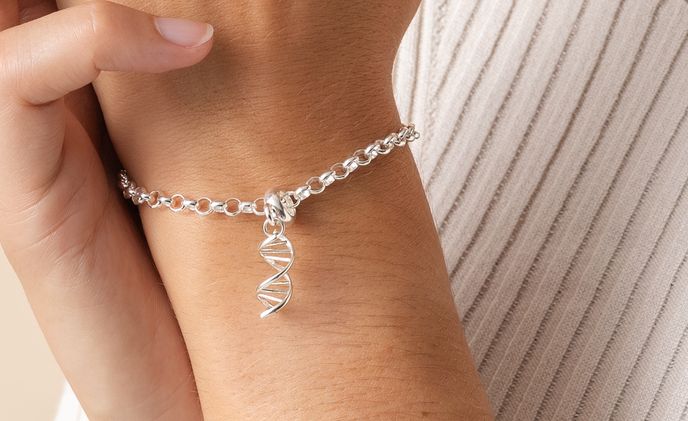
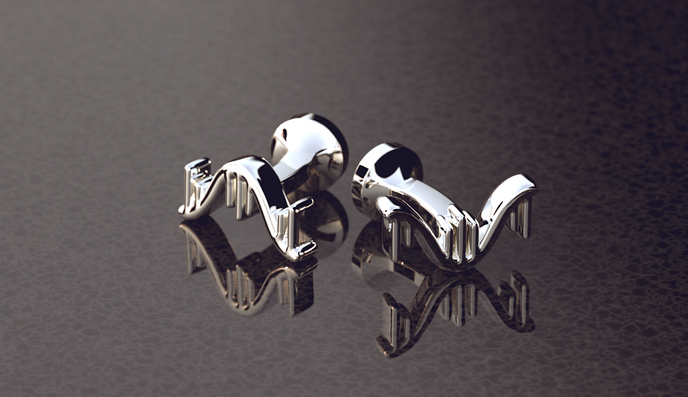
Dive into the captivating world of science-inspired jewelry, where intricate designs meet the essence of medical and laboratory tools. These masterfully crafted pieces act as subtle yet striking tributes to the instruments that have paved the way for scientific discovery. From DNA helices to microscope charms, each piece serves as a conversation starter, a talisman, and a small monument to human ingenuity. They're not just accessories; they're wearable artifacts that tell a story of scientific exploration and advancement.
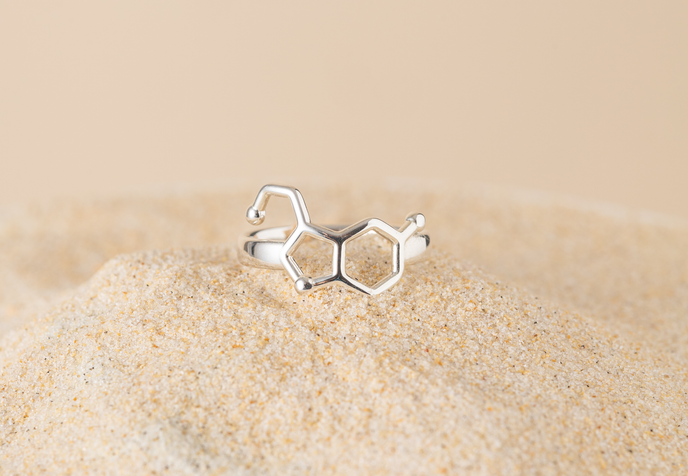
Find your perfect fit: measure an Existing Ring
Finding out your ring size at home is a simple process and can help you shop for jewelry online with confidence.
Necklace length guide