€ 145


Still questions? Contact us
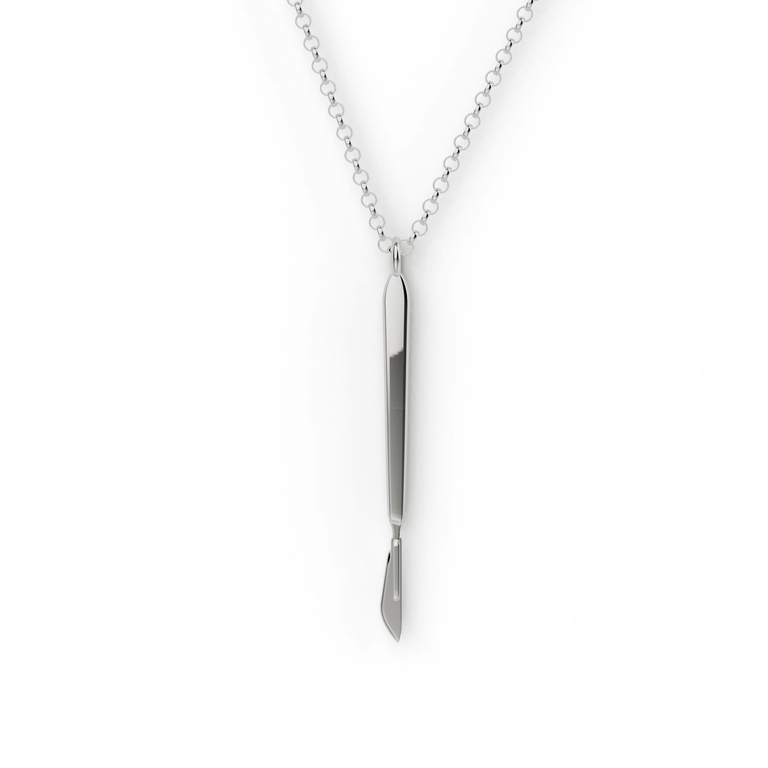
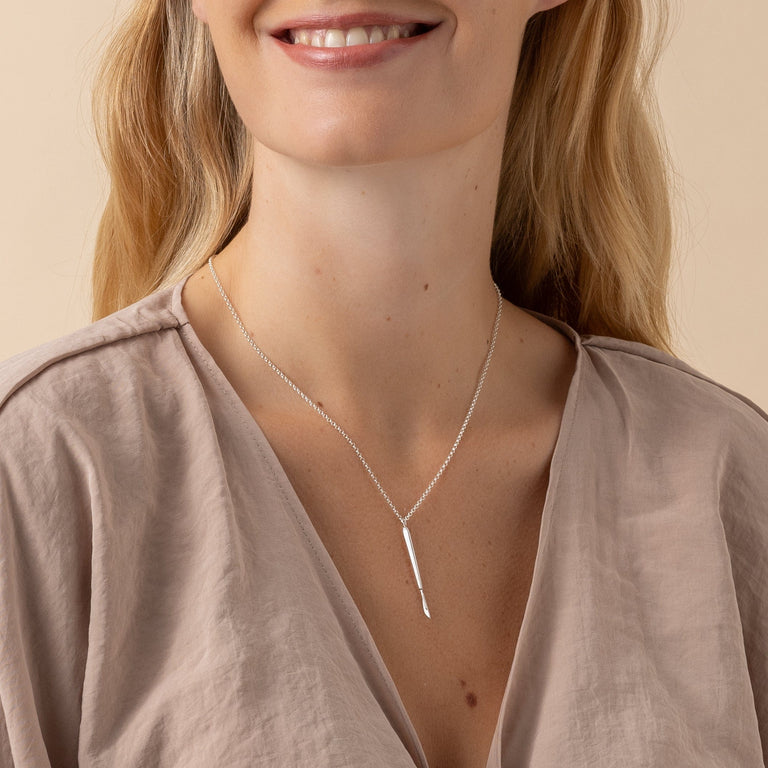
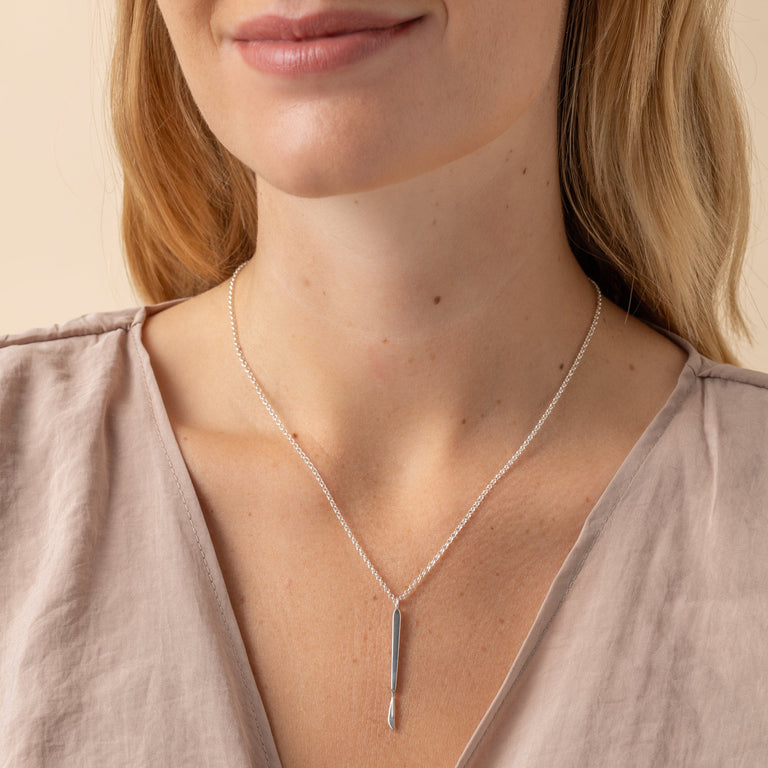
Scalpel necklace | sterling silver
The scalpel is one of the few surgical instruments that hasn't fundamentally changed in two thousand years. Egyptian and Roman surgeons used bronze and iron versions of essentially the same shape. Material science improved the edge. The form did not need improving.
The Science Behind the Scalpel
The modern surgical scalpel uses standardised disposable steel blades in numbered sizes: blade 10 is the workhorse for skin incisions, blade 11 for stab cuts and arteriotomies, blade 15 for delicate work, and blades 20-22 for larger general incisions. Carbon-steel blades hold a finer edge but corrode, which is why stainless steel is standard for disposables. The Bard-Parker handle and blade system, developed in the 1920s, established the interchangeable format still used in operating rooms worldwide. Top-grade surgical blades are ground to an edge of just a few nanometres, thinner than the diameter of a single cell, which is why a fresh blade cuts skin without crushing the surrounding tissue.
A Quiet Symbol For
Surgical training has its own quiet identity.
- surgeons and surgical residents
- medical students entering surgical specialties
- veterinary surgeons
- operating theatre nurses and surgical technologists
About a third of orders go to working surgeons or surgical trainees. The rest go to medical-school graduates who chose surgery and to family members marking the milestone.
Explore Related Medical Jewelry
- Scalpel necklace | gold vermeil
- Scalpel earrings | silver
- Stethoscope necklace | silver
- Syringe necklace | silver
- Dental mirror necklace | silver
FAQ
Is this a fitting gift for a surgeon?
Specifically, yes. The scalpel is the instrument surgeons reach for first, and the symbol carries the weight of the work without needing a logo or a slogan. We see it bought as a graduation gift, as a chief-residency present, and as a thank-you from teams to surgeons they have worked with.
Why has the scalpel design barely changed?
Because the function is settled. A thin, sharp edge for a controlled cut. Material science improved the steel, the standardised handles made blades interchangeable, and the disposable blade system made sterilisation routine. The geometry that does the actual cutting has been right for centuries.
What about size, material, and chain?
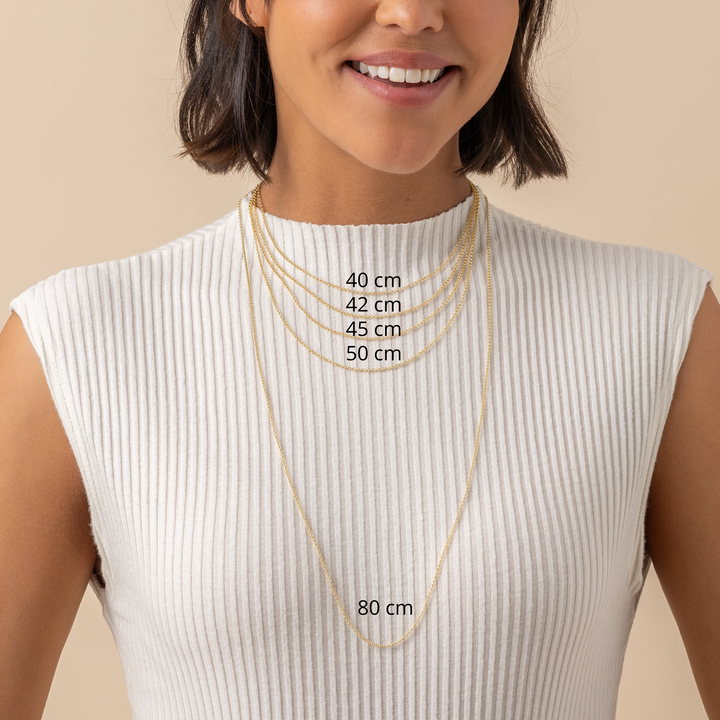
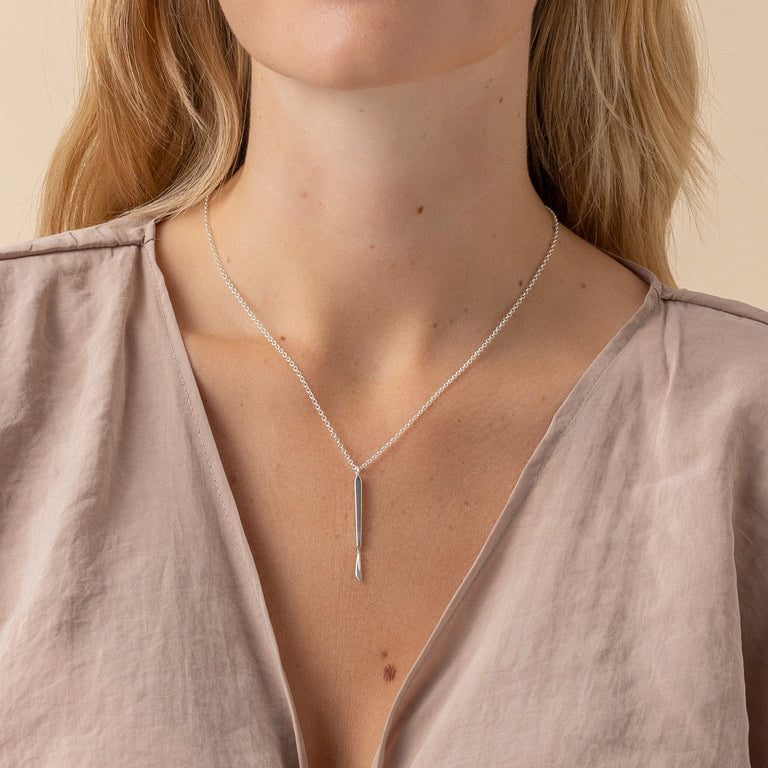
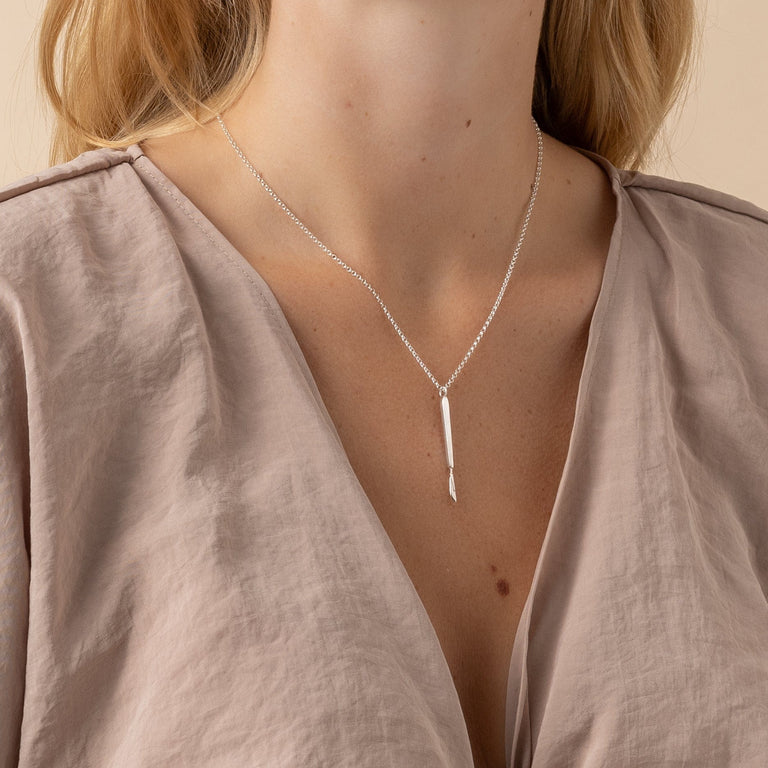
42 mm pendant in 925 polished sterling silver, nickel-free. 45 cm sterling silver chain with a 5 cm extender. Free worldwide DHL Express, 1-5 business days, all duties and taxes covered. 30-day “Love It or Return It” policy.
Is there a gold version?
Yes. The gold vermeil counterpart is the same 42 mm size, same design. Sterling silver core with 2.5 micron 18K gold plating. The silver here is solid 925 sterling. Pick by which metal the recipient already wears, or pair with another medical pendant from the same finish.

Medical & Lab tools
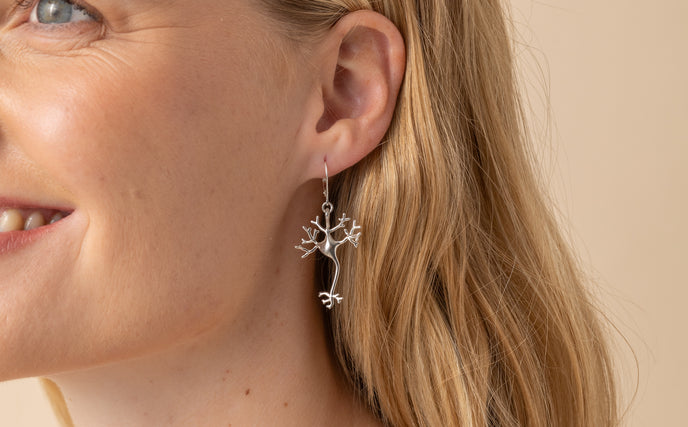
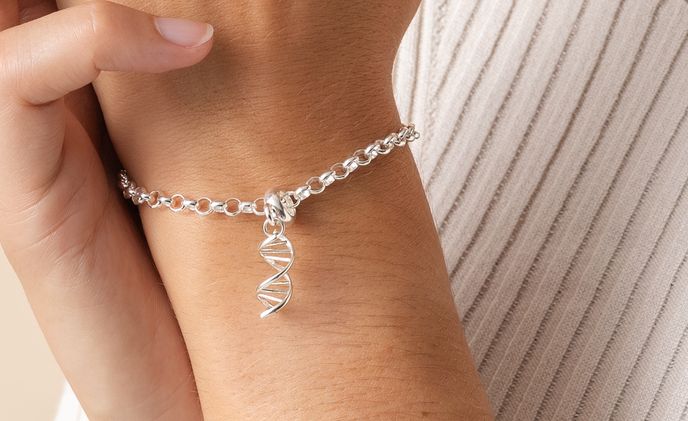
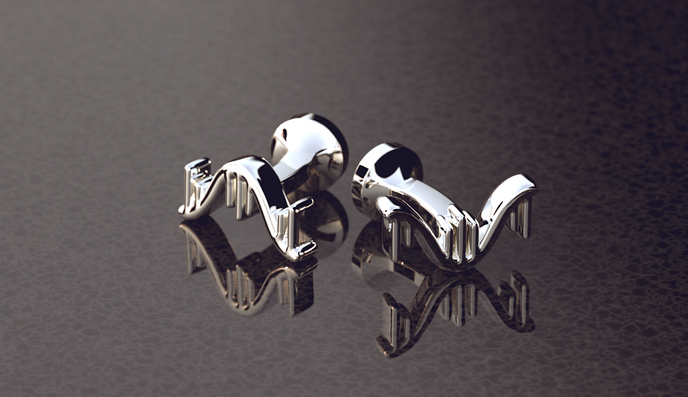
Dive into the captivating world of science-inspired jewelry, where intricate designs meet the essence of medical and laboratory tools. These masterfully crafted pieces act as subtle yet striking tributes to the instruments that have paved the way for scientific discovery. From DNA helices to microscope charms, each piece serves as a conversation starter, a talisman, and a small monument to human ingenuity. They're not just accessories; they're wearable artifacts that tell a story of scientific exploration and advancement.
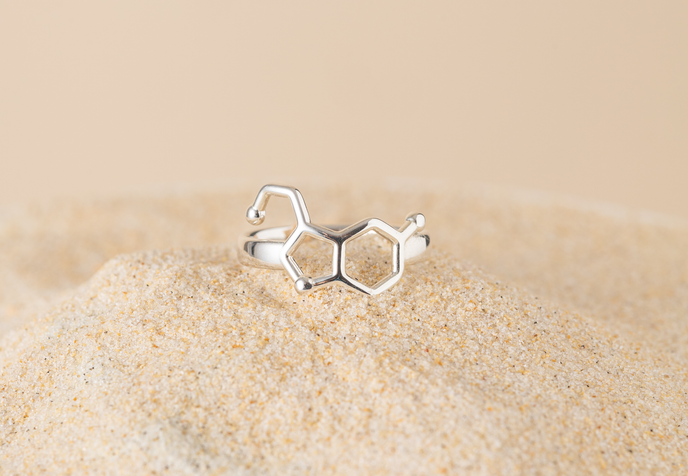
Find your perfect fit: measure an Existing Ring
Finding out your ring size at home is a simple process and can help you shop for jewelry online with confidence.
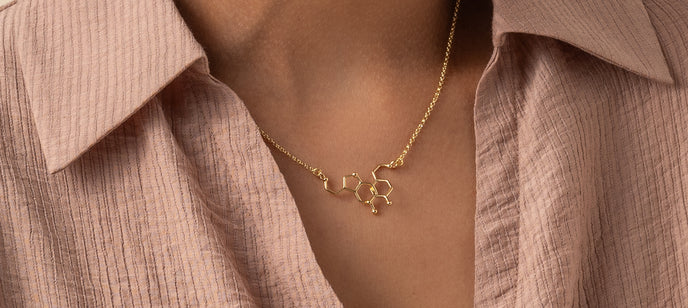
Necklace length guide