
€ 145


Still questions? Contact us
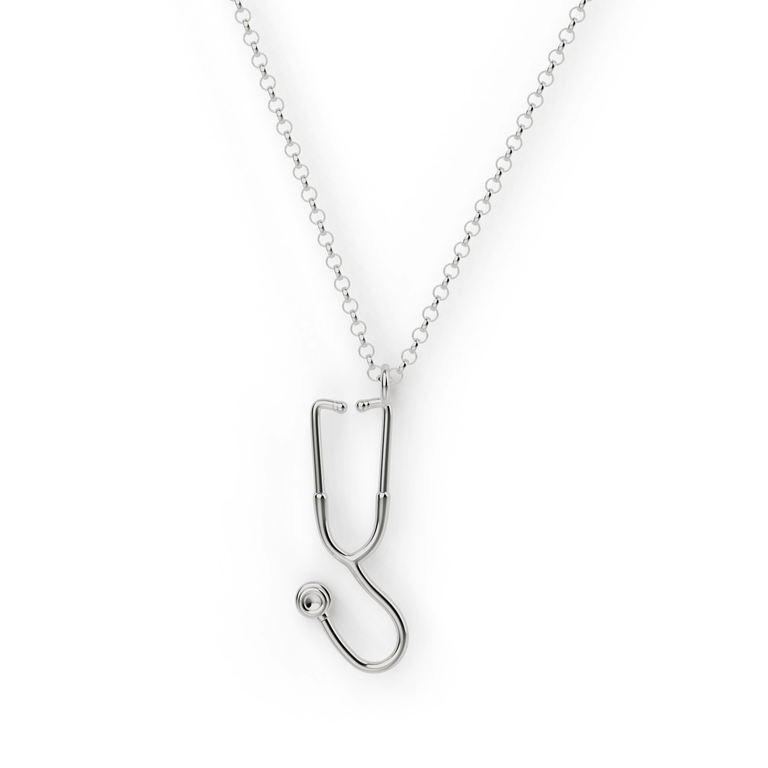
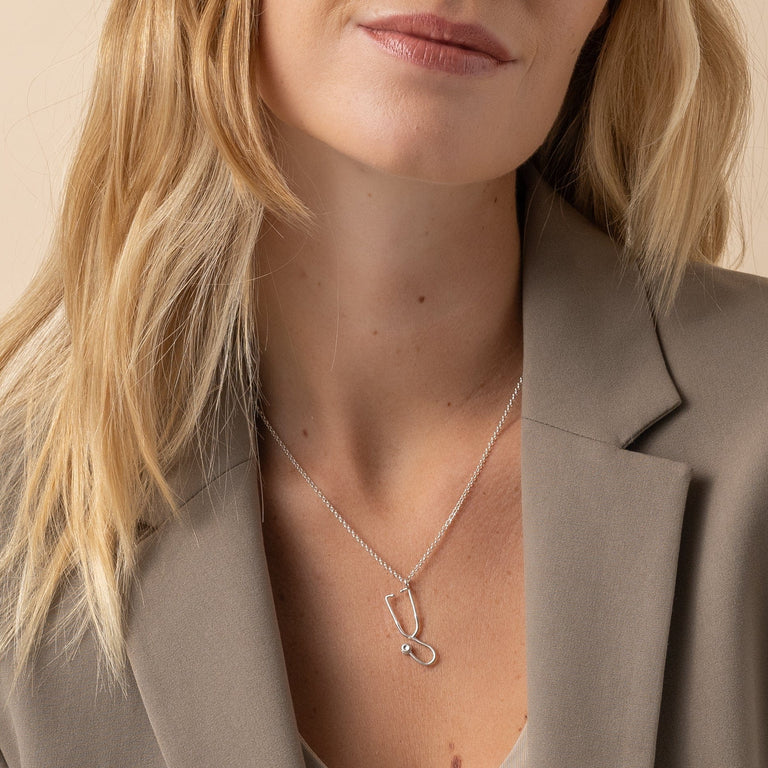
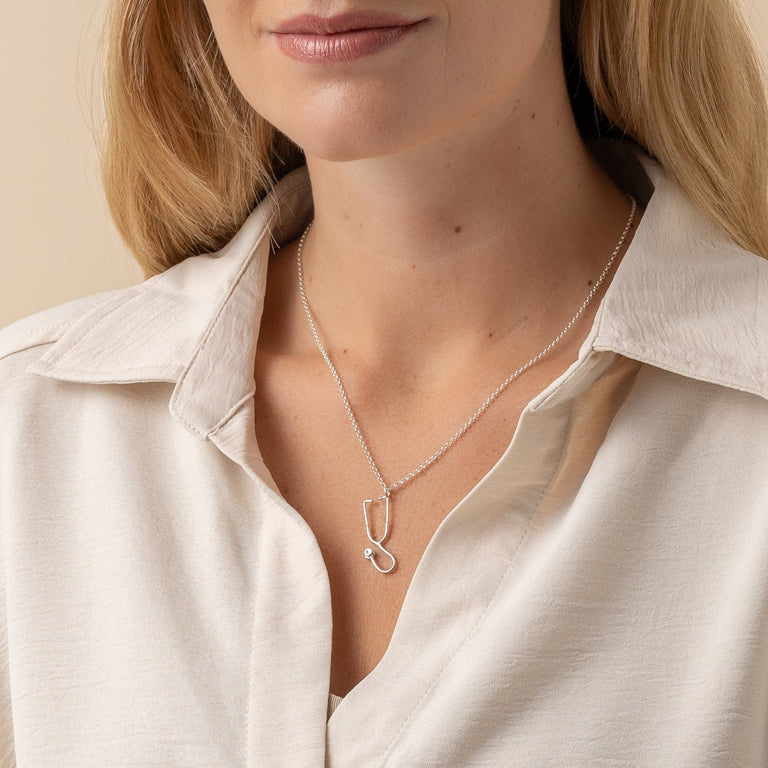
Stethoscope necklace | sterling silver
The stethoscope hung around a clinician's neck is the one object that says "doctor" across every language and culture on Earth. For decades, it is the first thing medical students buy and the last thing they set down. In an age of imaging and digital diagnostics, auscultation (listening directly to the body) remains unchanged.
The Science Behind the Stethoscope
The modern stethoscope was invented in its binaural form by George Philip Cammann in New York in 1851, building on René Laennec's 1816 discovery that a paper tube transmitted heart sounds better than direct auscultation. Acoustic stethoscopes use a diaphragm tuned to high-frequency sounds (35-2000 Hz) and a bell tuned to low frequencies (10-600 Hz) on a single chestpiece, allowing clinicians to detect heart murmurs, lung crackles, and pathological bruits. Electronic stethoscopes, developed in the late 20th century, amplify and digitise these sounds, enabling telemedicine and noise reduction. The fundamental skill remains unchanged: interpreting sound to diagnose.
Who Tends to Wear This
- doctors, physicians, and medical students
- nurses, paramedics, and other frontline clinical professionals
- anyone who has just qualified or is mid-training in medicine
- anyone buying for someone who chose a life listening to others
Explore Related Medical Jewelry
- Rod of Asclepius necklace | silver
- Scalpel necklace | silver
- Dental Mirror necklace | silver
- Syringe necklace | silver
FAQ
What does the stethoscope represent in medicine?
Listening. The first and still one of the most powerful tools in diagnosis. Before imaging, before labs, a clinician places a stethoscope and listens to the heart, lungs, and abdomen. That act is the foundation of medicine.
Who actually wears this every day?
Physicians, nurses, physician assistants, cardiologists, pulmonologists, and any clinician who still relies on auscultation. Also bought by people who trained for years to use one and want something that says they did.
What size, material, and chain?
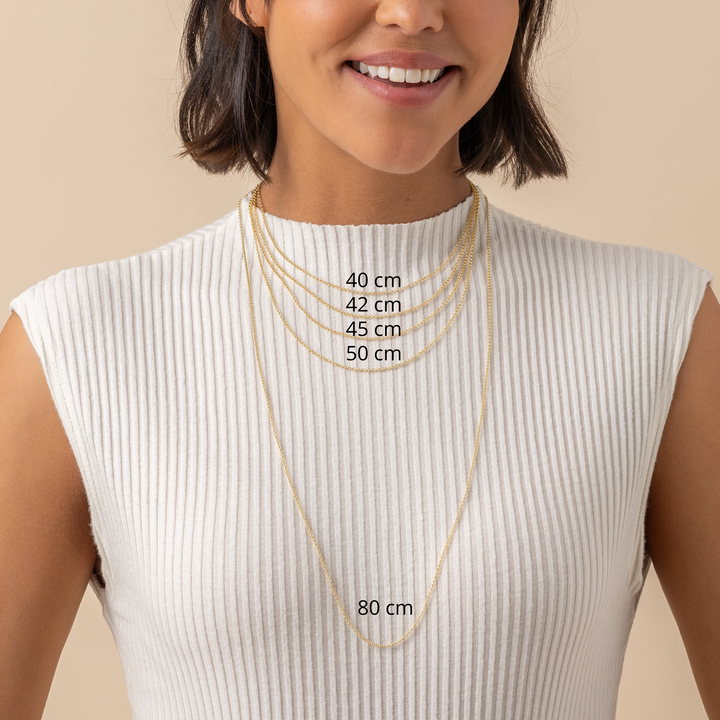
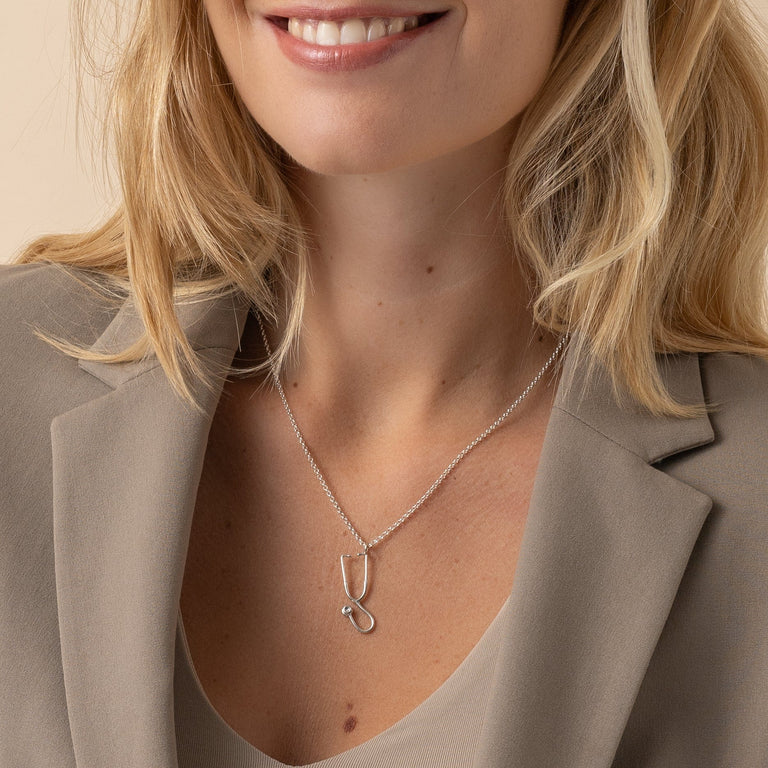
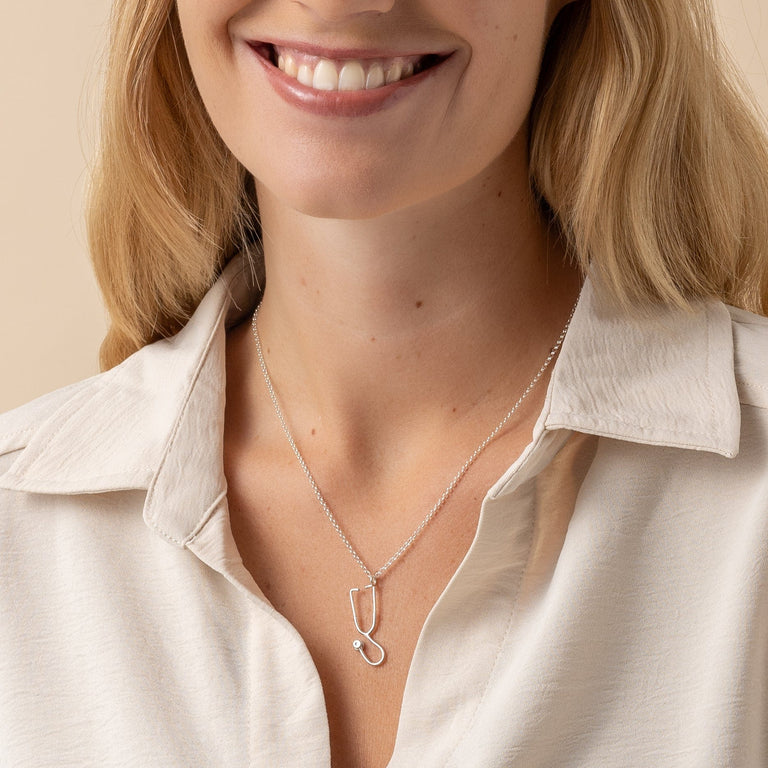
Sterling silver pendant at 33 mm, nickel-free and hypoallergenic. 45 cm sterling silver chain with a 5 cm extender and lobster clasp. Ships free worldwide via DHL Express in 1-5 business days. Comes in a ready-to-gift jewelry box with the 30-day “Love It or Return It” policy.
Is there a gold version?
Not currently in stock, but we can discuss custom orders. Email us with requests for gold vermeil, solid gold, or any material variations.

Medical & Lab tools
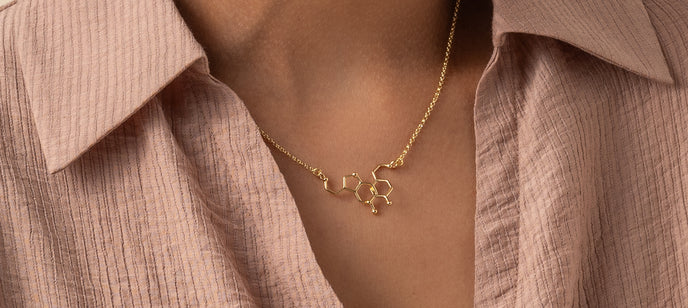
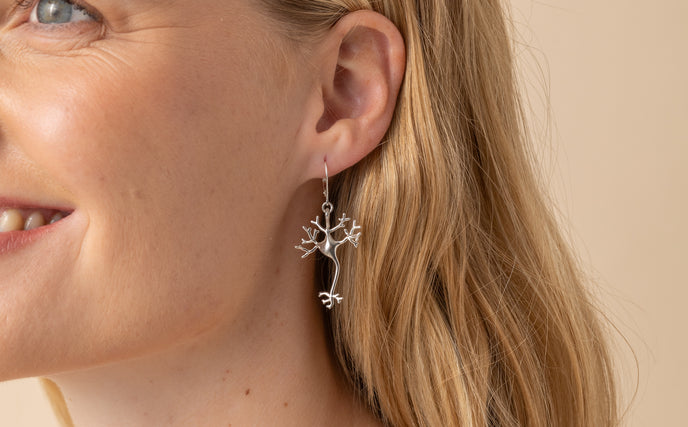
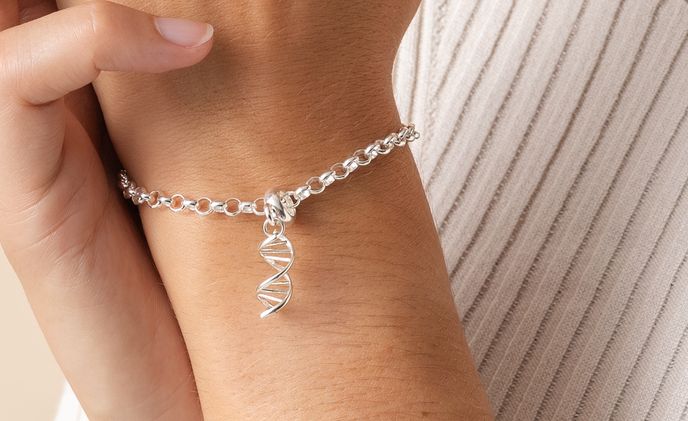
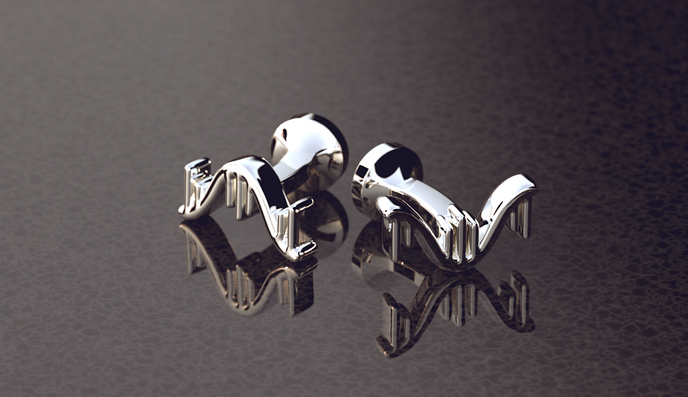
Dive into the captivating world of science-inspired jewelry, where intricate designs meet the essence of medical and laboratory tools. These masterfully crafted pieces act as subtle yet striking tributes to the instruments that have paved the way for scientific discovery. From DNA helices to microscope charms, each piece serves as a conversation starter, a talisman, and a small monument to human ingenuity. They're not just accessories; they're wearable artifacts that tell a story of scientific exploration and advancement.
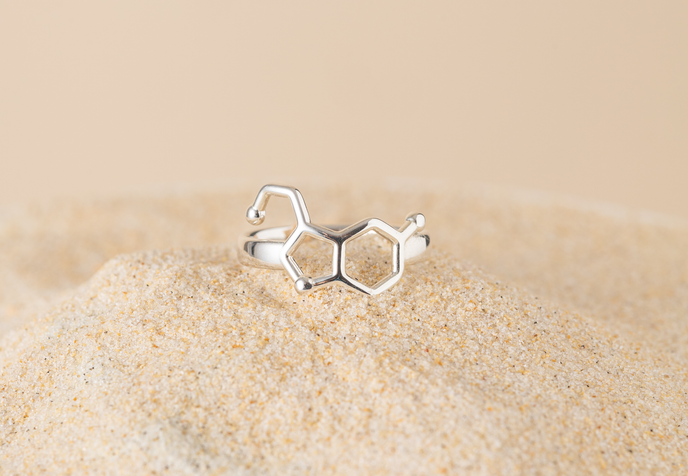
Find your perfect fit: measure an Existing Ring
Finding out your ring size at home is a simple process and can help you shop for jewelry online with confidence.
Necklace length guide